"Pheromones and Nature's Pharmacy: Traditional Remedies That Actually Work"
While modern technology offers exciting new approaches to cat stress management, some of the most effective solutions have been hiding in plain sight for decades. Today, we're diving deep into the scientifically-proven world of pheromone therapy and natural remedies that can transform your anxious cat into a calm, confident companion.
The Invisible Language: Understanding Feline Pheromones
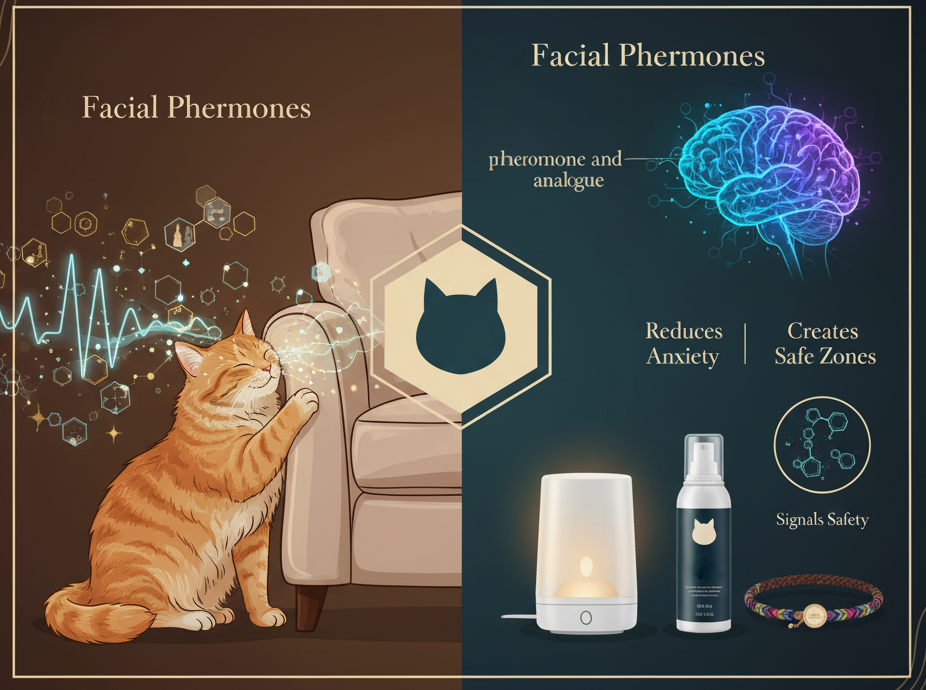
Imagine if your cat could leave invisible messages around your home saying "This is safe" or "I feel secure here." That's exactly what pheromones do—they're chemical communications that cats use to mark safe territories and express comfort.
The most extensively studied synthetic pheromone is the F3 facial pheromone analogue, which replicates the scent cats naturally deposit when they rub their faces on objects in comfortable environments. When your cat head-bonks your leg or rubs against furniture, they're actually marking those surfaces as "safe zones."
The Research That Changed Everything
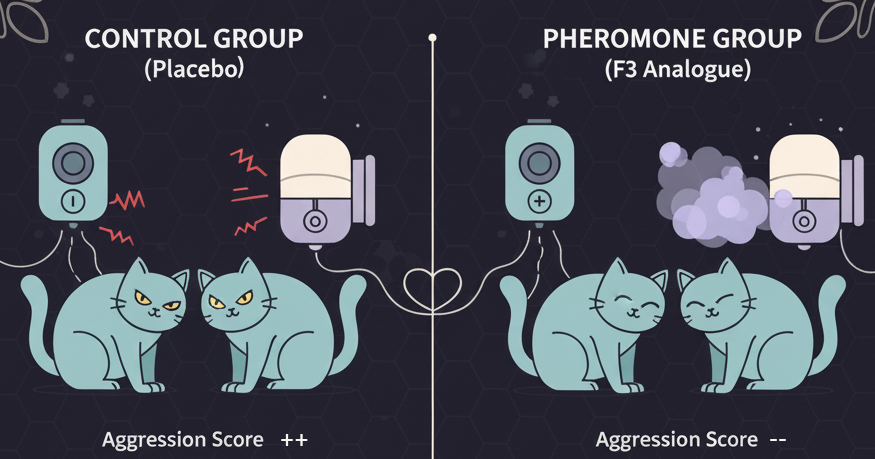
Recent scientific studies have provided compelling evidence for pheromone effectiveness that even skeptical veterinarians can't ignore. A randomized, double-blind, placebo-controlled trial—the gold standard of medical research—monitored 45 multi-cat households and found significant reductions in aggression scores over time. Most remarkably, cats continued showing behavioral improvements even after pheromone treatment ended, suggesting the therapy helped establish new, healthier behavioral patterns.
An even more comprehensive 60-day study examined gel-based pheromone diffusers and documented significant reductions in six specific stress behaviors: hypervigilance, attention-seeking, hiding, excessive scratching, inappropriate elimination, and social withdrawal. The speed of improvement was particularly encouraging—positive changes appeared as early as day 7, with hiding and hypervigilance showing the most rapid responses.
Your Pheromone Toolkit: Choosing the Right Format
Electric Diffusers: These plug-in systems provide continuous pheromone release over 4-6 week periods, making them ideal for ongoing household stress management. They prove particularly effective for multi-cat households, major environmental changes, or when introducing new pets.
Targeted Sprays: Pheromone sprays offer immediate relief for specific situations like travel, vet visits, or carrier training. Their portable nature makes them invaluable for situational stress management where diffusers aren't practical.
Advanced Formulations: Newer developments include collar-impregnated pheromones and complex blends addressing multiple behavioral issues simultaneously. Research suggests these advanced formulations may provide broader spectrum stress relief compared to single-pheromone products.
Understanding Individual Responses
Here's the reality check: pheromone products show strong overall effectiveness, but individual responses vary significantly. Studies indicate approximately 75% of cats respond positively to pheromone therapy, with males potentially showing stronger responses than females.
The key lies in patience and observation. Some cats show immediate improvement, while others require several weeks of consistent exposure. Combining pheromone therapy with environmental management and behavioral modification techniques typically produces the best results.
Nature's Stress-Busters: The Science of Herbal Remedies
Moving from synthetic to natural, let's explore plant-based solutions that offer gentle, effective approaches to managing feline anxiety.
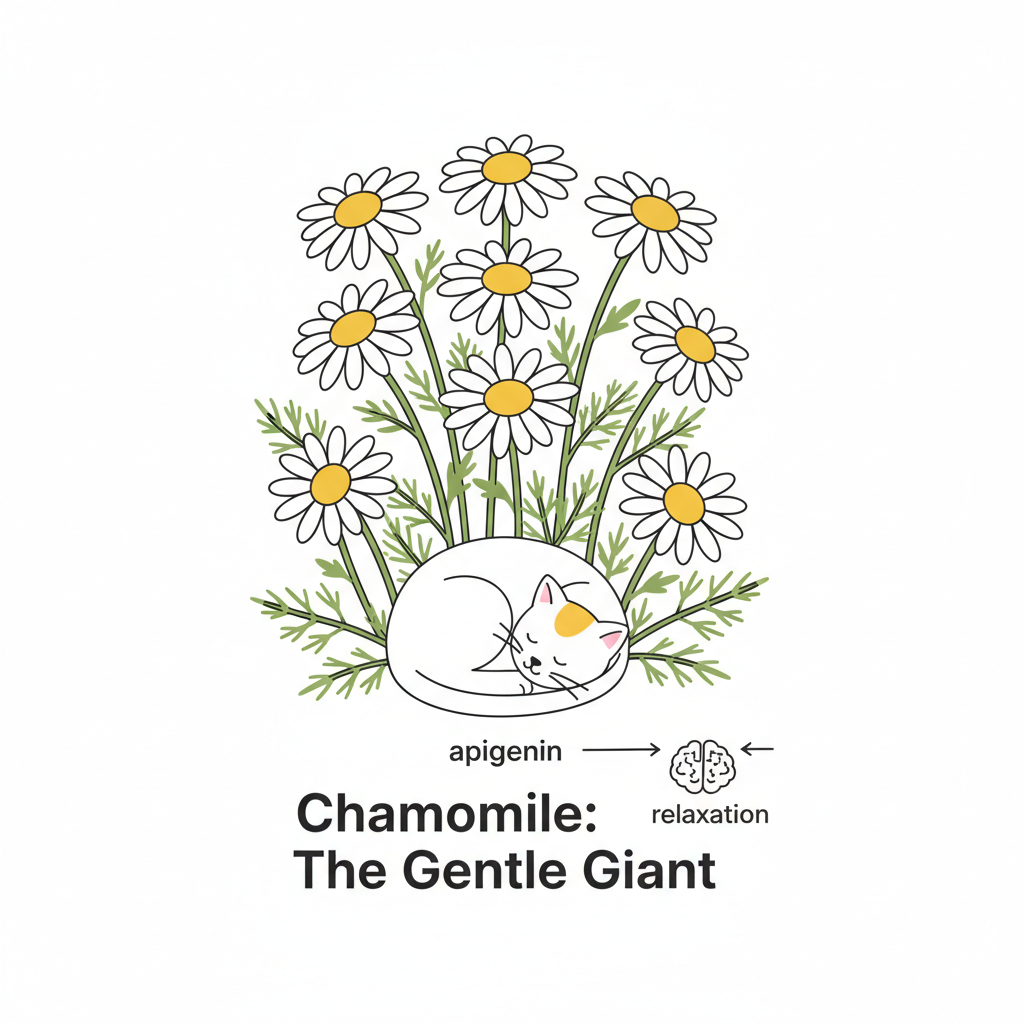
Chamomile: The Gentle Giant
This herb contains apigenin, a compound that binds to brain receptors promoting relaxation. Beyond its calming properties, chamomile helps address stress-related digestive issues—particularly valuable for cats whose anxiety manifests as stomach problems. Research in wild felines shows that chamomile produces high levels of interaction and engagement, suggesting broad appeal across feline species.
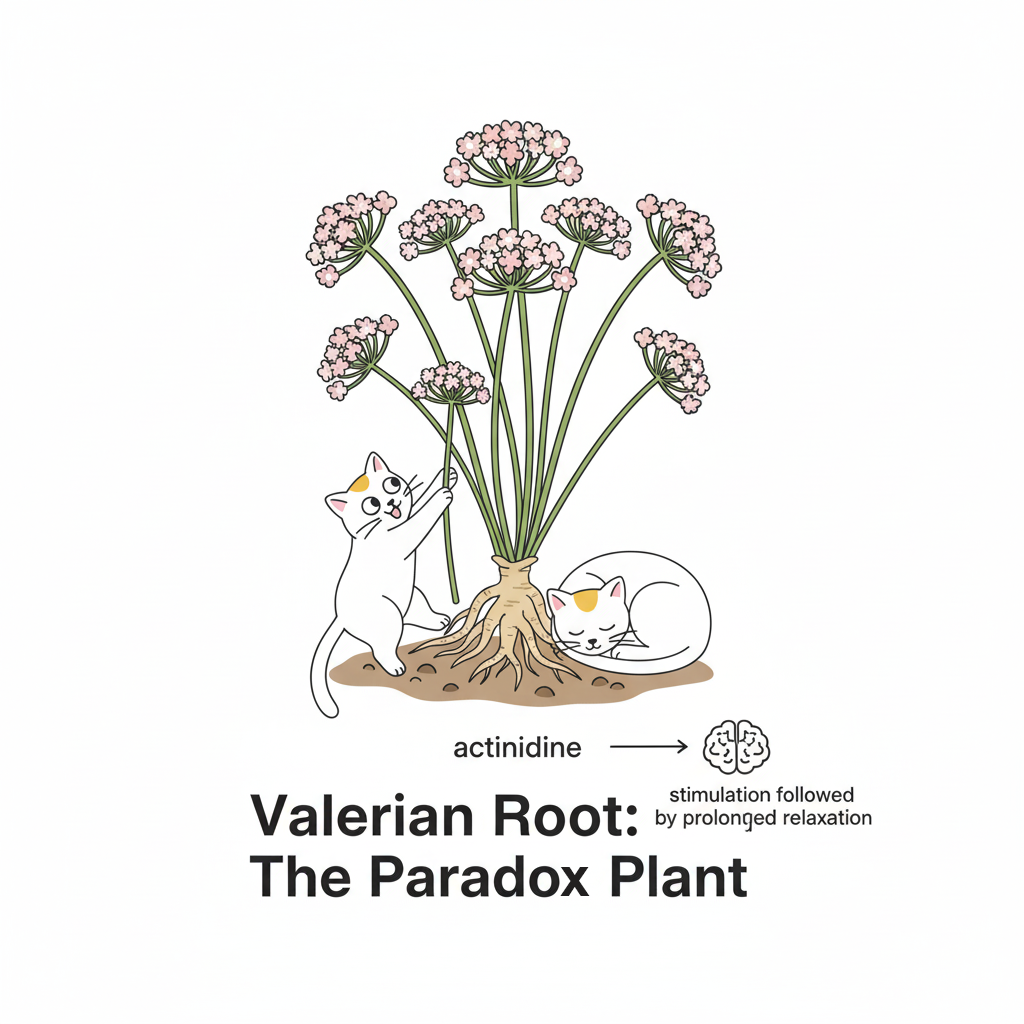
Valerian Root: The Paradox Plant
Here's where things get interesting. Valerian initially provides stimulation through the active compound actinidine, but unlike other stimulating herbs, it typically produces prolonged relaxation after the excitement phase. Scientific studies indicate valerian appeals to a broader percentage of cats compared to catnip, making it valuable for cats that don't respond to traditional feline attractants.
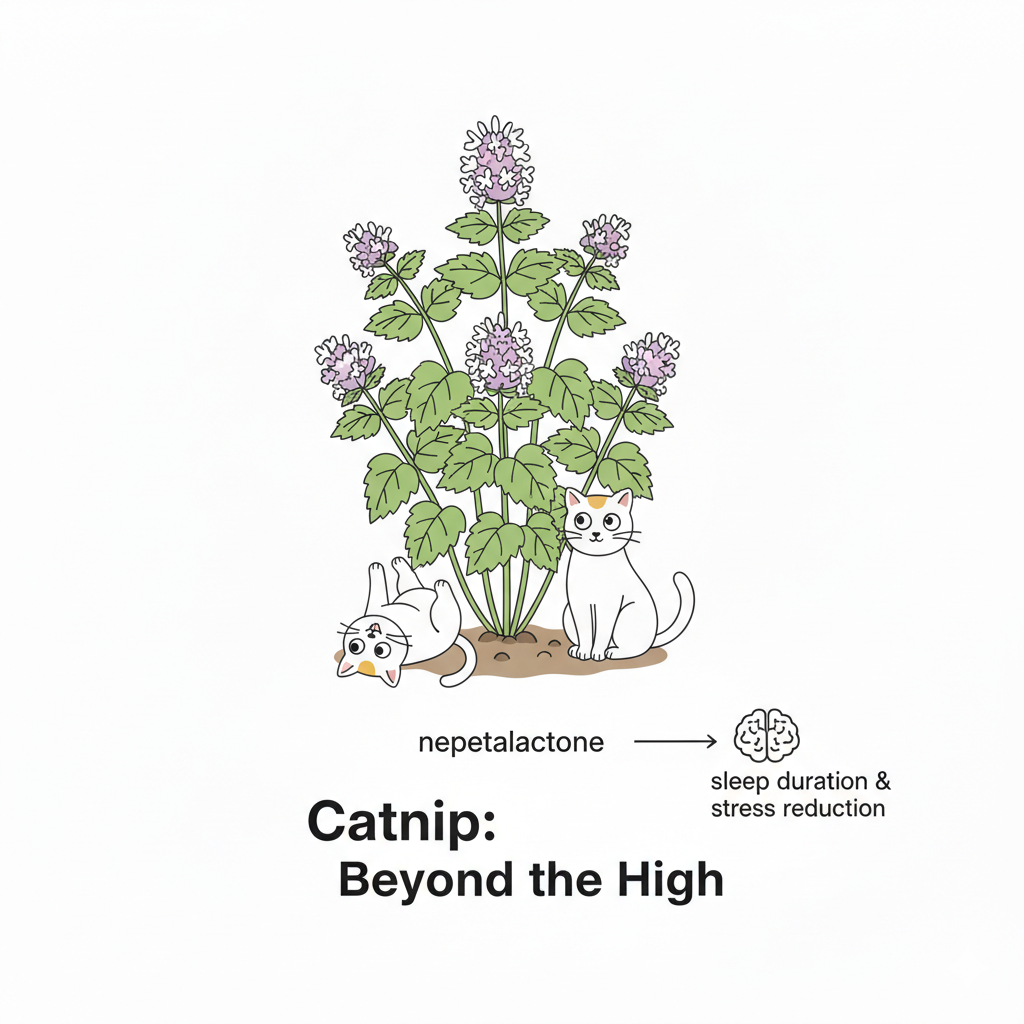
Catnip: Beyond the High
While famous for its stimulating effects, catnip provides calming benefits through its influence on sleep patterns. Research demonstrates that catnip increases sleep duration, contributing to overall stress reduction. The active compound nepetalactone affects approximately 50-70% of cats, with genetics determining individual responses.
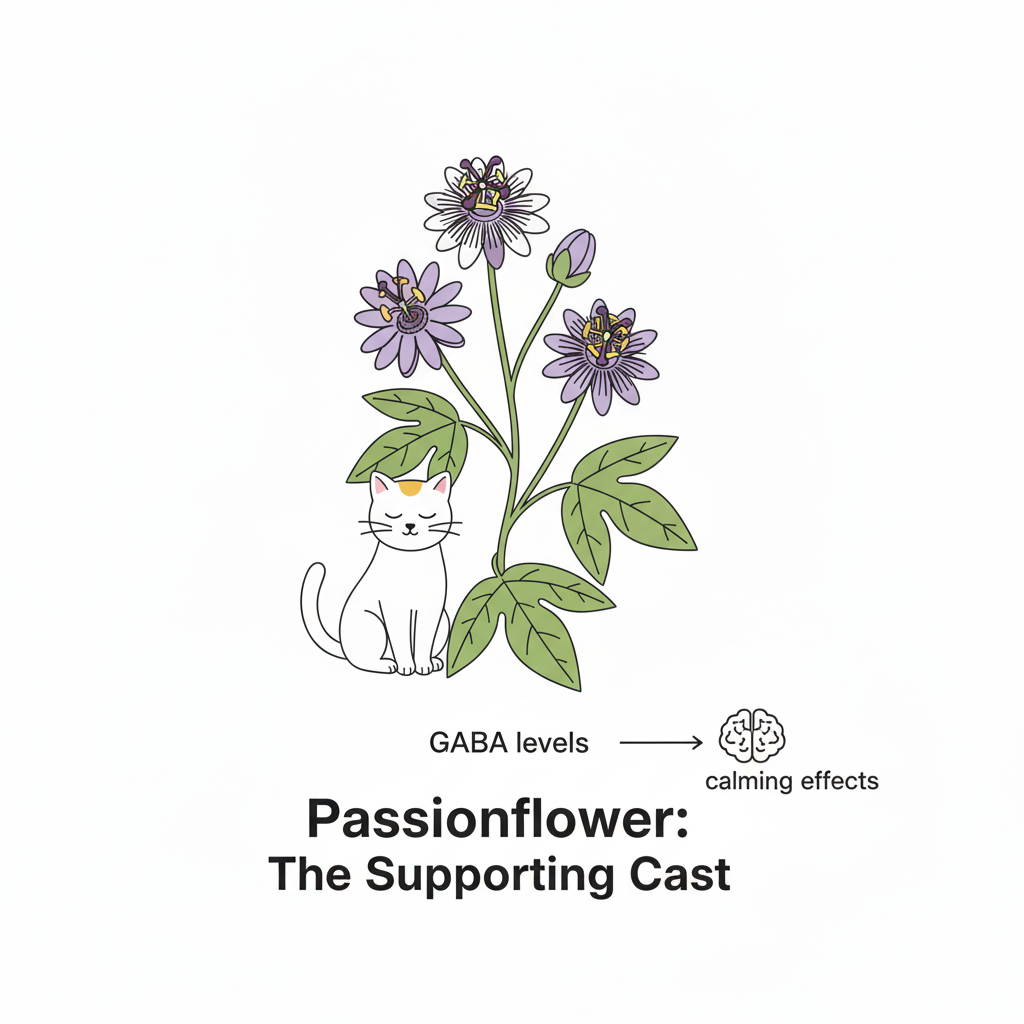
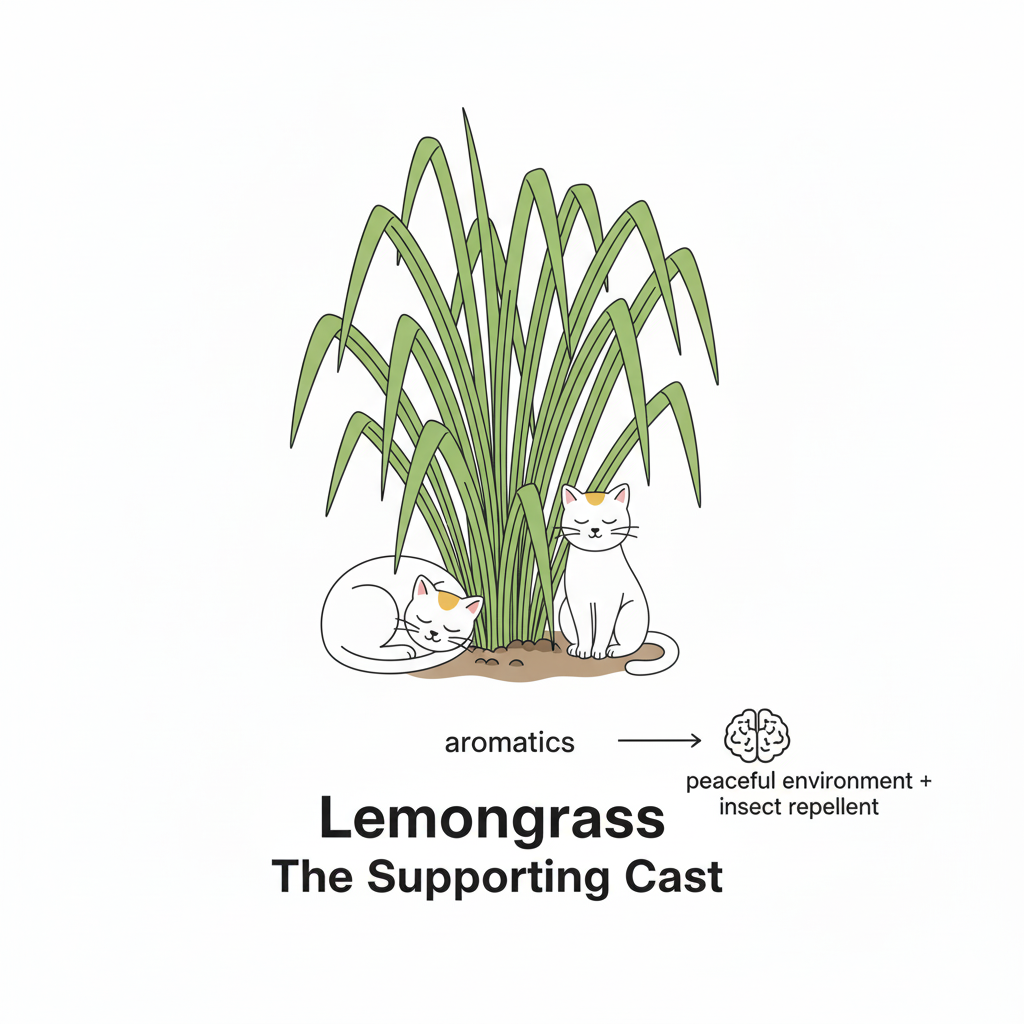
Passionflower and Lemongrass: The Supporting Cast
Passionflower increases GABA levels in the brain, providing direct calming effects particularly useful for hyperactive or restless cats. Lemongrass creates peaceful environments through calming aromatics while doubling as a natural insect repellent.
Commercial Formulations: When More Is Better
Multi-ingredient supplements combining rose hip, chamomile, lemon balm, green tea (providing L-theanine), and natural sources of L-Tryptophan often provide more consistent results than single-herb treatments. These formulations address multiple pathways involved in stress response, creating more comprehensive relief.
Safety First: Natural Doesn't Mean Risk-Free
While these herbs have extensive safety profiles, moderation remains crucial. Overexposure to any calming herb can lead to digestive upset or excessive sedation. Start with small amounts, observe your cat's response, and introduce new herbs gradually to monitor for adverse reactions.
Always consult with a veterinarian before combining herbal treatments with prescription medications or using them in pregnant or nursing cats.
Building Your Natural Toolkit
The most effective approach combines multiple strategies. Consider using pheromone diffusers for baseline stress management while keeping sprays available for specific situations. Incorporate gentle herbs like chamomile for cats with digestive stress responses, or valerian for those needing stronger calming effects.
Remember, individual cats respond differently to various treatments. What works brilliantly for your neighbor's cat might not affect yours at all. The key is patient experimentation under professional guidance.
In our next post, we'll explore the emerging world of CBD therapy for cats—separating marketing hype from scientific fact and providing you with evidence-based guidance for this increasingly popular treatment option.